知识与财富的链接

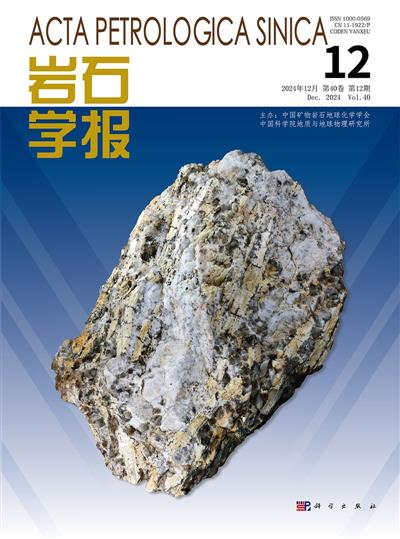
本文将大兴安岭中生代地表地质演化,与地壳、上地幔、软流圈不同深部的构造特征结合起来,反演大兴安岭的演化过程:从早中生代底侵作用开始,经过晚中生代的大量壳幔混合岩浆侵位-喷发,大兴安岭完成了造山第一阶段的陆壳增生过程,早白垩世伴随大兴安岭的快速隆升和两侧盆地的沉降,形成了盆-岭构造,完成了造山第二阶段的隆升过程,作者通过大兴安岭的这一独具特色的造山作用,提出陆内造山的一种可能的机制,即伸展造山,同时对陆内造山区别板缘造山的复杂性提出了初步的认识。
The Mesozoic ground geology of Da Hinggan Mts. is studied in this work in combination with the structural features of the crust, upper mantal, and asthenosphere at various depths to reconstruct the geologic evolution of this area. The results reveal a two-stage orogenesis of the Da Hinggan Mts. : the first stage of contenantal-crust accretion starts from the Early Mesozoic underplating and goes through an extenssive crust-mantle magma intrusion and eruption until the Late Mesozoic, and the the second stage of upwellung is marked by formation of the basin-and-range structure in the Early Cretaceous. Upon such a special orogeny duscovered in Da Hinggan Mts. , a possible mechanism - extentional orogenesis - is proposed to explain some of the intracontenantal orogenes, and a preliminary understanding is obtained about their complucated features that are those of the plate-marginal orogenes.