知识与财富的链接

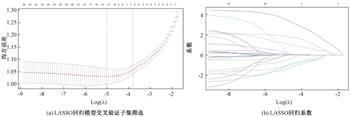
目的探索多种膳食营养素摄入对2型糖尿病患病风险的联合作用。方法2011年5月—2012年2月, 在广州市某三甲医院的内分泌门诊及住院病房选取年龄为18~80岁且在广州居住满5年或以上的居民, 进行1∶2配对的病例对照研究。根据入选标准, 研究招募384名初发2型糖尿病患者作为病例组, 根据性别、年龄±3岁配对招募对照组768人。采用一般情况问卷和食物频率调查问卷(FFQ)收集对象基础信息和膳食情况。计算各营养素摄入量并进行能量残差校正, 运用Lasso回归分析筛选关键营养素, 多因素Logistic回归评估关键营养素与2型糖尿病之间的关系, 贝叶斯核机器回归(Bayesian kernel machine regression, BKMR)模型分析多种营养素混合摄入与2型糖尿病的联合作用。结果Lasso回归模型筛选出与2型糖尿病相关的六种关键膳食营养素为膳食纤维、总脂肪、维生素E、维生素B2、锌和硒。多因素Logistic回归分析在校正基础信息、体力活动和其他营养素等因素后显示, 与最低四分位摄入量组相比, 总脂肪、维生素E和锌最高四分位摄入量组患病风险增加,
ObjectiveTo explore the combined effects of multiple dietary nutrient intakes on the risk of type 2 diabetes mellitus.MethodsFrom May 2011 to February 2012, a 1∶2 matched case-control study was conducted to recruit participants who were aged 18-80 years and had resided in Guangzhou for five years or longer at endocrine clinics and wards of a Class A tertiary hospital in Guangzhou, China. According to the inclusion criteria, 384 patients with newly diagnosed type 2 diabetes were recruited into case group, and 768 participants without type 2 diabetes matched by sex and age (±3 years) were enrolled into control group. A general information questionnaire and food frequency questionnaire (FFQ) were used to collect the basic information and dietary profiles of the subjects. The intake of each nutrient was calculated, and energy intake was adjusted using the residual. A least absolute shrinkage and selection operator (Lasso) regression analysis was used to select key nutrients. A multivariable logistic regression analysis was used to assess the relationship between key nutrients and type 2 diabetes. A Bayesian kernel machine regression (BKMR) model was used to analyze the combined effect of mixed intake of multiple nutrients on the risk of type 2 diabetes.ResultsLasso regression models selected six key dietary nutrients associated with type 2 diabetes: dietary fiber, total fat, vitamin E, vitamin B2, zinc, and selenium. According to the multivariable logistic regression analysis, after adjusting for the basic information, physical activity, and other nutrients, compared with the lowest quartile intake groups, the risk of type 2 diabetes was increased in the highest quartile intake groups of total fat, vitamin E, and zinc, with the odds ratios (