知识与财富的链接

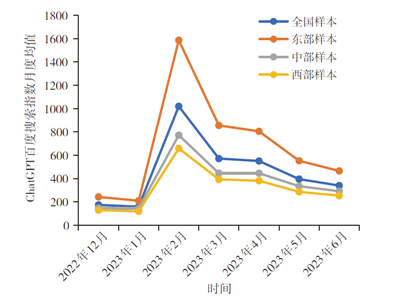
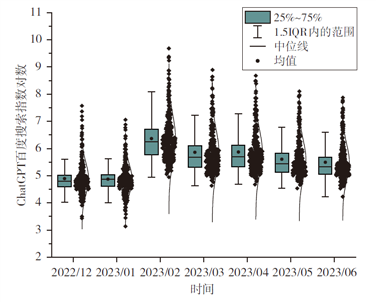
文章基于2022年12月—2023年6月中国地级市ChatGPT百度搜索指数,运用ArcGIS软件、多元线性回归模型以及空间计量模型,探析了生成式人工智能关注度的时空演变特征及其影响机制。结果表明:1公众对生成式人工智能的关注随时间呈“倒V”型演化趋势;2生成式人工智能关注度具有区域集聚特征,初期表现为以山东半岛、长三角、珠三角为核心的巨型团块状,后期则缩减为分散型小板块聚集形态;3科技发展、企业发展、产业结构高级化、教育水平、对外开放程度、数字基础设施和政府支持度均会对当地生成式人工智能关注度产生显著正向影响,且除数字基础设施因素外,其余影响因素均具有空间溢出效应,是造成生成式人工智能关注度区域聚集的主要原因。基于研究结论,文章提出应加大对高新技术型城市的科技投入和政策扶持力度、建立高精尖人才培养体系、完善相关法规和伦理标准,以推动中国生成式人工智能产业发展和优化高新技术产业布局。
Based on the data of Baidu search index of ChatGPT from December 2022 to June 2023 this article analyzes the evolution characteristics and influence mechanism of generative artificial intelligence (GenAI for short) attention degree by the ArcGIS, multivariable linear regression model, and spatial econometric model. The results show that: 1) GenAI attention degree showed the inverted-V evolution trend in China during the research period. 2) GenAI attention degree had the characteristics of regional agglomeration, which initially showed the distribution of a giant block shape with the Shandong Peninsula, the Yangtze River Delta and the Pearl River Delta as the cores, later evolved into the distribution of a small block shape.
3) Scientific and technological development, corporate development, advanced industrial structure, education level, degree of opening up, digital infrastructure and government support all had a significant positive effect on GenAI attention degree, and in addition to the digital infrastructure, the other influencing factors have the spatial spillover effect, which is the main reason for the regional aggregation of GenAI attention degree. Based on the research conclusions, this article proposes some suggestions that are increasing the technological investment and policy support for high-tech cities, establishing a high-level talent training system, improving relevant regulations and ethical standards to promote the development of GenAI industry and optimize the layout of high-tech industry.