知识与财富的链接

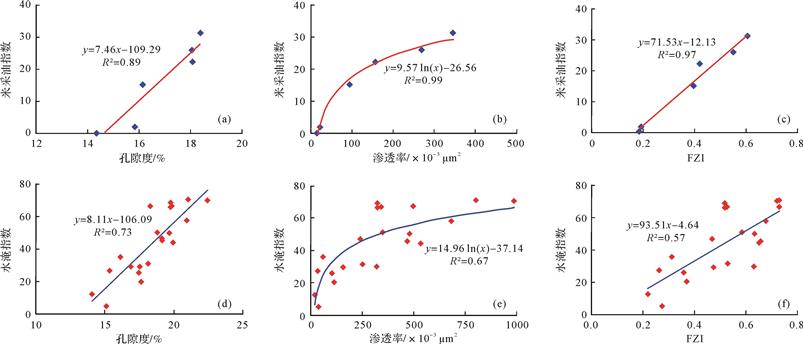
以涠西南凹陷W油田为例,为加深对储层非均质性的认识,开展了基于复合砂体构型的流动单元研究,总结了剩余油分布模式。基于油田稀井网资料,通过井震结合、动静结合,并参考类似储层地质知识库特点,开展了复合砂体构型解剖;利用筛选的孔隙度、渗透率和流动带指数(FZI)把研究区储层分为四类流动单元,并在复合砂体内部刻画了流动单元的分布,总结了其分布规律。研究认为:研究区三角洲前缘复合砂体内部结构复杂,复合砂体构型、流动单元、断层等地质因素对油田水淹特征及剩余油分布影响较大,并深入分析了调整井水淹层的水淹特征,总结出了受流动单元主控的“差异驱替控油模式”、受流动单元与隔夹层共控的“复合遮挡控油模式”和受流动单元与断层共控的“断储联合控油模式”3种主要剩余油分布模式。研究成果为油田挖潜提供了重要参考。
Flow-unit classification in an example of compound sand-body architecture was carried out in a delta in the W oilfield, Weixinan Sag, Beibuwan Basin to further describe reservoir heterogeneity and also to summarize the remaining oil distribution pattern. Combining well logging, seismic, production dynamics and a geological knowledge database with similar sedimentary characteristics, the compound sand-body architecture was analyzed using sparse well network data in W oilfield. The porosity, permeability and flow-zone index were adopted to divide the reservoir into four types of flow units. Their distribution was well described within compound sand-body architecture constraints, and their distribution pattern was summarized. The study revealed a complex internal architecture for the delta front compound sand-body for W oilfield in the third member of the Weizhou Formation. Geological factors (compound sand-body architecture, flow units and faults) had significant influence on the flooding characteristics and the distribution of remaining oil. In-depth analysis of the waterlogged properties of the water-flooded zone of the adjustment wells revealed three main distribution patterns of the remaining oil: (i) differential displacement patterns due mainly to flow units only; (ii) complex blocking patterns controlled by flow units combined with mud interlayers; and (iii) fault⁃flow unit patterns controlled by flow units and faults. These results provide an important reference for tapping the full potential of the oilfield.