知识与财富的链接

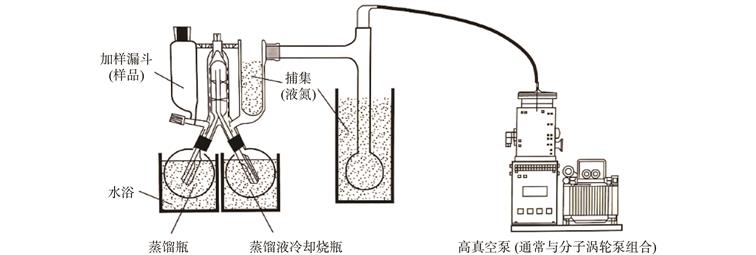
为全面剖析无籽刺梨中挥发性成分的组成及其呈香贡献,采用顶空固相微萃取(Head-Space Solid Phase Microextraction,HS-SPME)和液液萃取联合溶剂辅助风味蒸发(Liquid-Liquid Extraction-Solvent-Assisted Flavor Evaporation,LLE-SAFE),并结合气相质谱联用(Gas Chromatography-Mass Spectrometry,GC-MS)分析无籽刺梨(Rosa sterilis)的挥发性成分,使用香气活性值(Odor Active Value,OAV)分析香气的贡献。结果表明,两种方法共鉴定出115种挥发性成分,HS-SPME检测到59种,LLE-SAFE检测到75种,其中,酯类为25种、醇类27种、醛类11种、酮类14种、酸类18种、萜烯类14种和其他类6种。两种提取方法对挥发性成分的提取效率有较大差异,HS-SPME对酯类(32.23%)和醛类(30.44%)的提取效率较高,LLE-SAFE对酸类(57.35%)和醇类(34.49%)的提取效率较高。香气活性值(OAV)分析表明,有30种挥发性成分对无籽刺梨的香气贡献较强,包括异戊醇、2-己烯醛、己酸乙酯、乙酸乙酯、丁酸乙酯、己醛和己酸等。本研究能够为揭示无籽刺梨香气轮廓其香气化学本质提供理论支持。
To comprehensively analyze the composition and contribution of volatile components in Rosa sterilis, the headspace solid phase microextraction (HS-SPME) and liquid liquid extraction with solvent assisted flavor evaporation (LLE-SAFE) was used, along with gas chromatography-mass spectrometry (GC-MS) to analyze the volatile components. The odor active value (OAV) was used to evaluate the contribution of volatile components to the overall aroma of R. sterilis juice. The results showed that a total of 115 volatile components were identified using both methods, with 59 identified using HS-SPME and 75 identified using LLE-SAFE. These components included 25 esters, 27 alcohols, 11 aldehydes, 14 ketones, 18 acids, 14 terpenes, and 6 other compounds. Analysis of the odor active value (OAV) showed that 30 volatile components, including isoamyl alcohol, 2-hexenal, ethyl hexanoate, ethyl acetate, butyl acetate, hexanal, and hexanoic acid, contributed strongly to the aroma of R. sterilis. This study provides theoretical support for revealing the aroma profile and chemical essence of R. sterilis.